
|
Oxygen Gas |
Hazard Statements
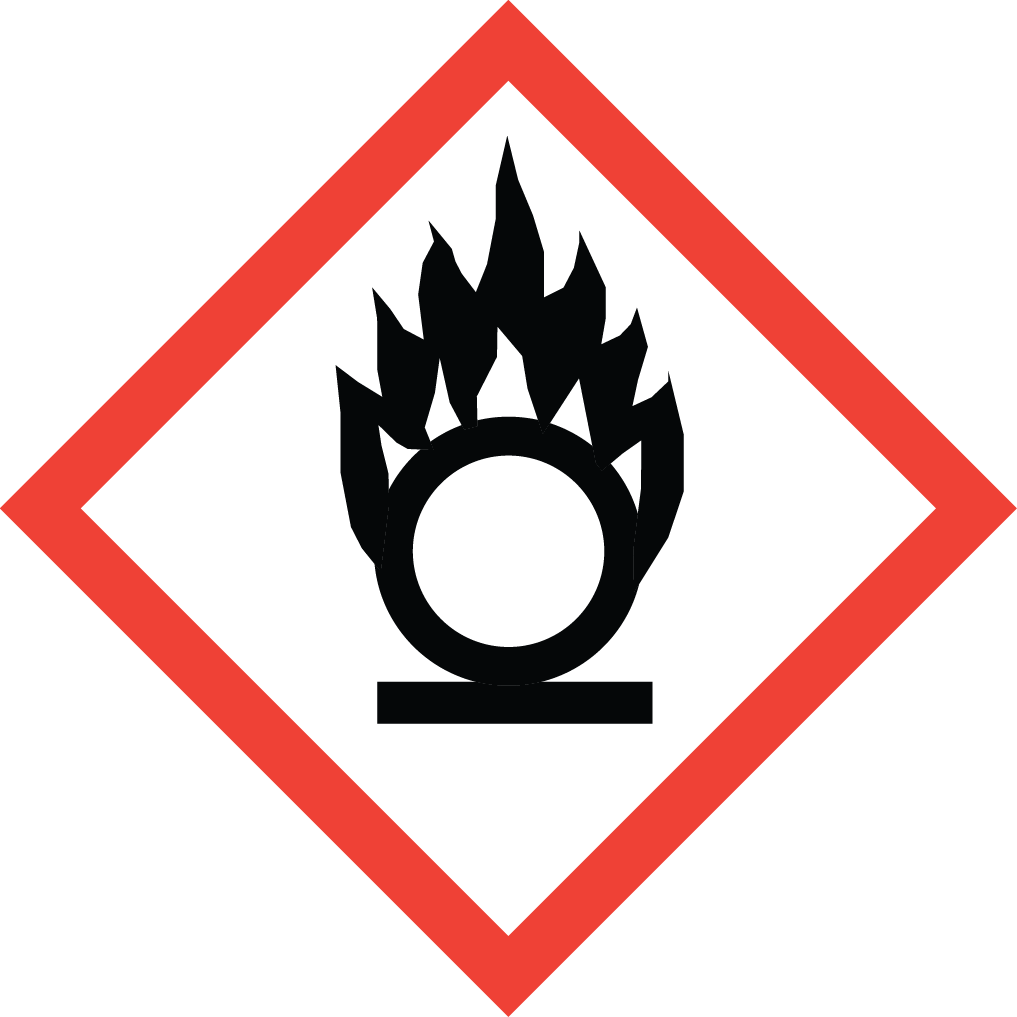
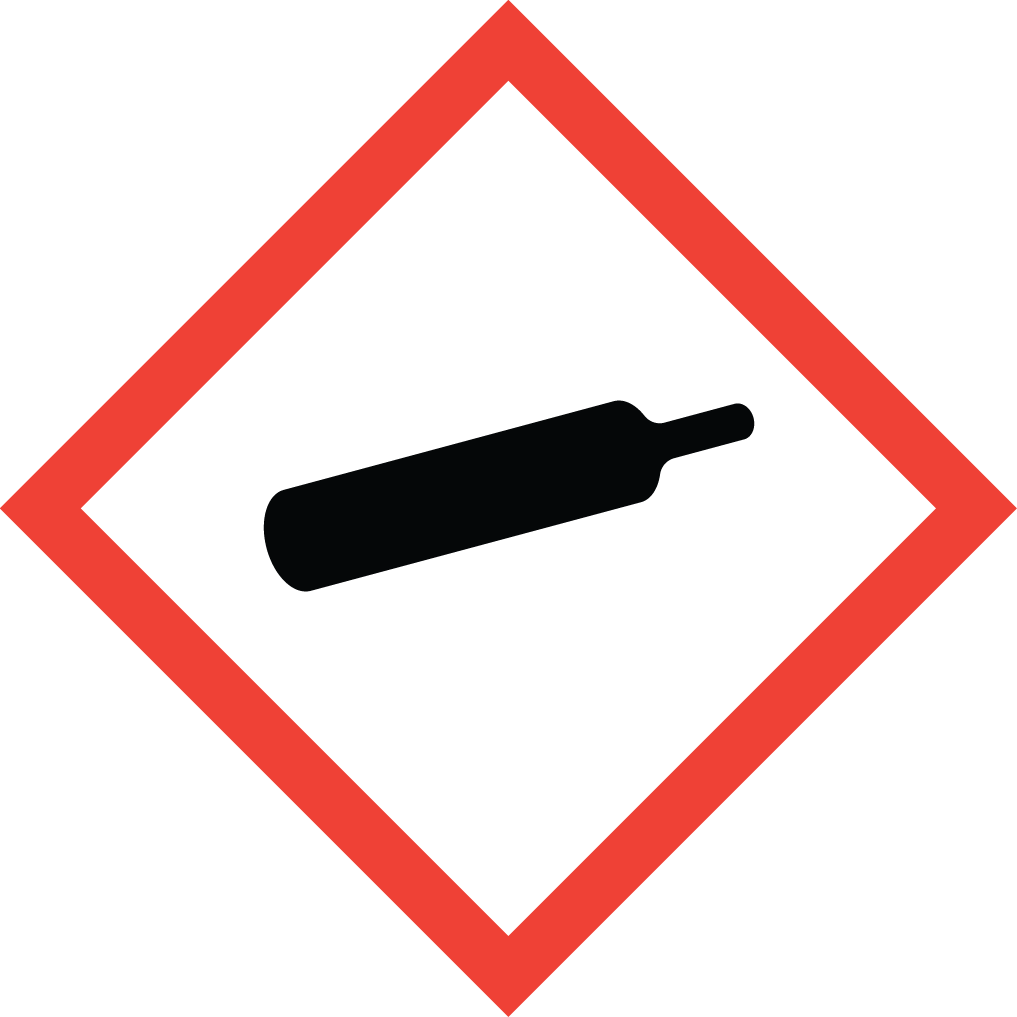
H270 - May cause or intensify fire; oxidizer. H280 - Contains gas under pressure; may explode if heated.
Precautionary Statements
Read and follow all Safety Data Sheets (SDS’S) before use. Read label before use. Keep out of reach of children. If medical advice is needed, have product container or label at hand. Close valve after each use and when empty. Use equipment rated for cylinder pressure. Do not open valve until connected to equipment prepared for use. Use a back flow preventative device in the piping. Use only equipment of compatible materials of construction. Open valve slowly. Use only with equipment cleaned for Oxygen service. P220 - Keep away from clothing and other combustible materials. P244 - Keep reduction valves, valves and fittings free from oil and grease. Response : P370 + P376 - In case of fire: Stop leak if safe to do so. Storage : P410 + P403 - Protect from sunlight. Store in a well-ventilated place.
Manufacturer information
Name
Airgas
Phone
610-687-5253
Address
259 North Radnor-Chester Road Suite 100
Radnor, PA 19087
PICTOGRAMS
HMIS
| HEALTH |
0 |
| FLAMMABILITY |
0 |
| PHYSICAL HAZARD |
3 |
| PERSONAL PROTECTION |
Wash hands, forearms and face thoroughly after handling chemical products, before eating, smoking and using the lavatory and at the end of the working period. Appropriate techniques should be used to remove potentially contaminated clothing. Wash contaminated clothing before reusing. Ensure that eyewash stations and safety showers are close to the workstation location. Safety eyewear complying with an approved standard should be used when a risk assessment indicates this is necessary to avoid exposure to liquid splashes, mists, gases or dusts. If contact is possible, the following protection should be worn, unless the assessment indicates a higher degree of protection: safety glasses with sideshields. Chemical-resistant, impervious gloves complying with an approved standard should be worn at all times when handling chemical products if a risk assessment indicates this is necessary. Considering the parameters specified by the glove manufacturer, check during use that the gloves are still retaining their protective properties. It should be noted that the time to breakthrough for any glove material may be different for different glove manufacturers. In the case of mixtures, consisting of several substances, the protection time of the gloves cannot be accurately estimated. Personal protective equipment for the body should be selected based on the task being performed and the risks involved and should be approved by a specialist before handling this product. Appropriate footwear and any additional skin protection measures should be selected based on the task being performed and the risks involved and should be approved by a specialist before handling this product. Based on the hazard and potential for exposure, select a respirator that meets the appropriate standard or certification. Respirators must be used according to a respiratory protection program to ensure proper fitting, training, and other important aspects of use. Respirator selection must be based on known or anticipated exposure levels, the hazards of the product and the safe working limits of the selected respirator. |
NFPA
0
0
0
OX

University of North Dakota
Local data
SKU #